
Solid Wood Furniture Built from
Black Walnut, Cherry, Oak and Maple
Share your space and needs, we design a custom piece with a detailed sketch
Request your custom piece

4.7
Based on 427 clutch reviews
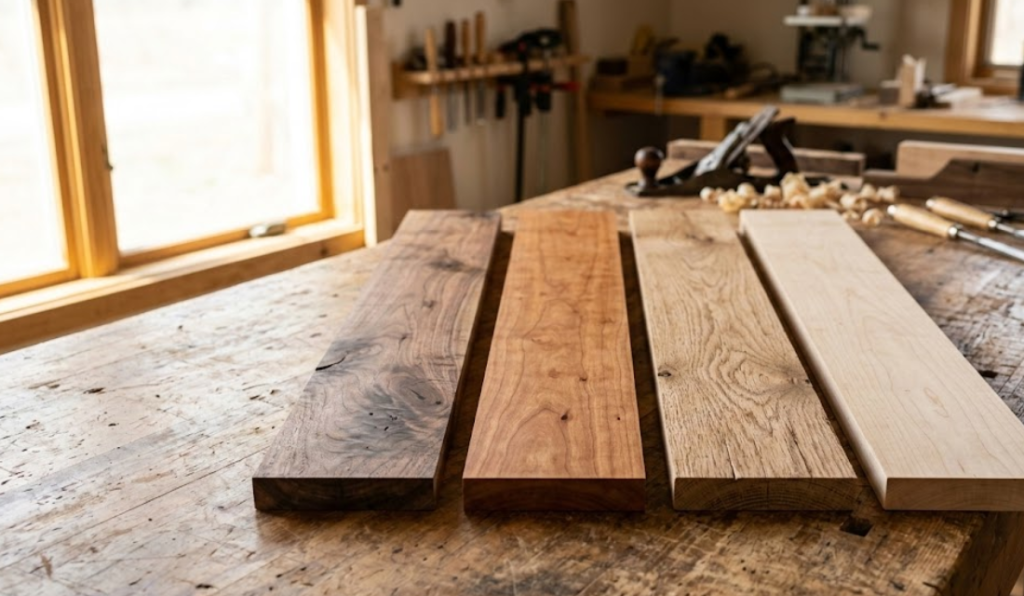
Solid wood furniture crafted for lasting everyday use with uncompromising material quality
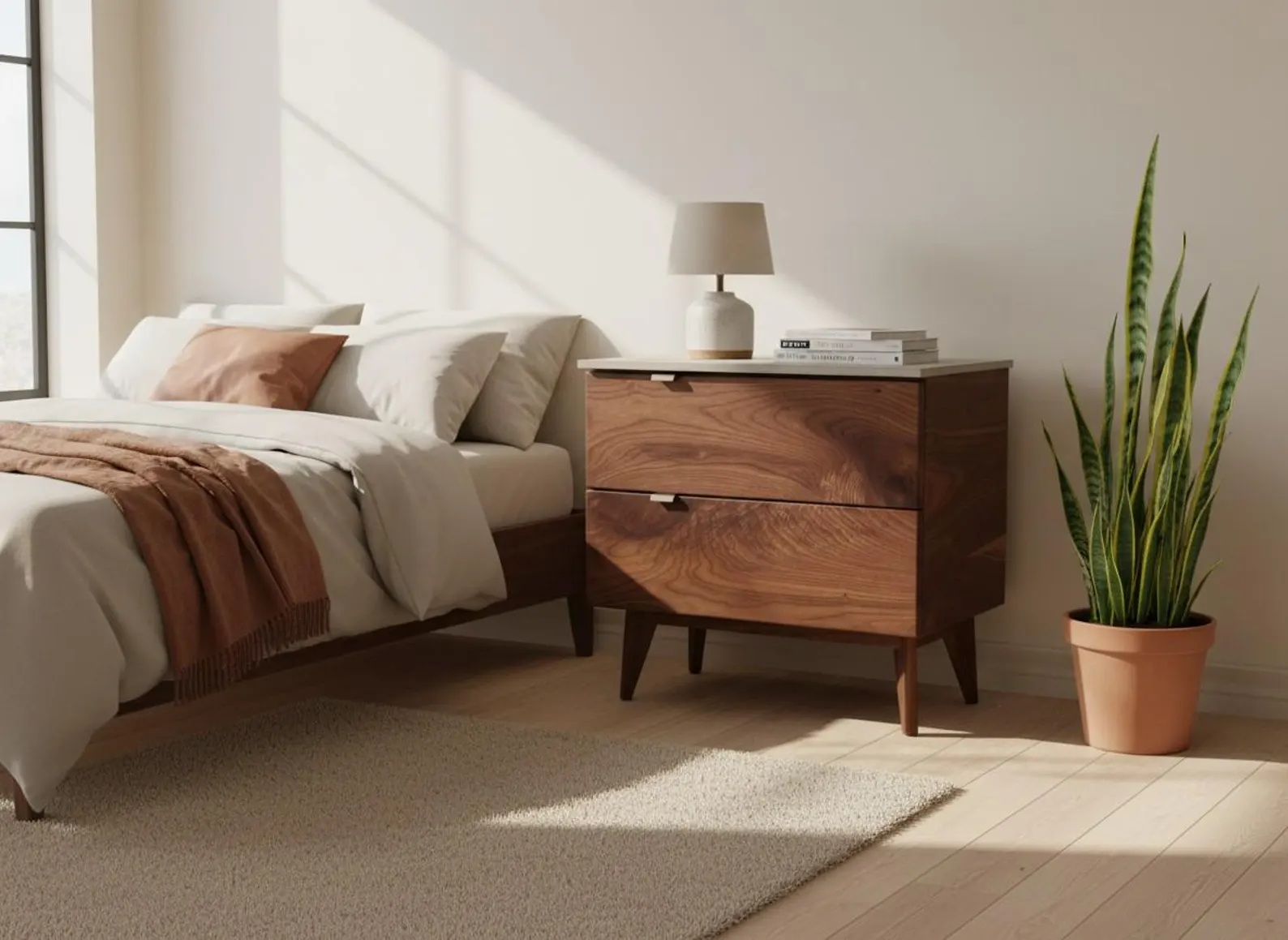
You enjoy a custom piece that fits your space perfectly

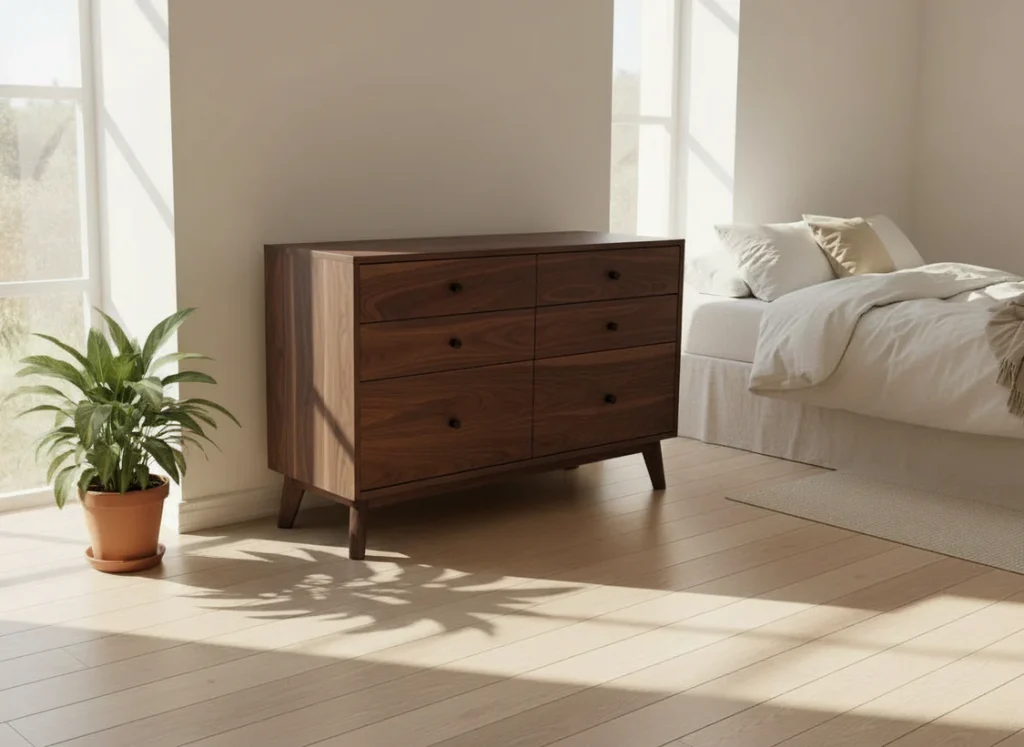
You rely on furniture with proven durability and high end finish
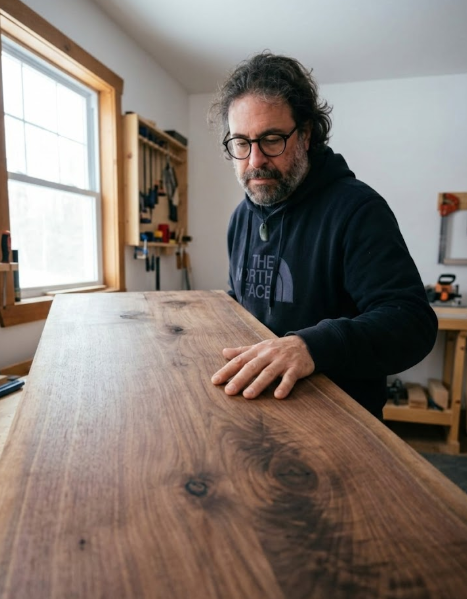
You source your pieces from a skilled Canadian maker near you
What clients commonly face
- Furniture made with MDF and veneers
- Unrepairable, disposable design
- Industrial, uniform production
- Confusing material choices hidden
About us
Many struggle to find furniture that truly fits their space and withstands daily life without losing character. The frustration of fragile, generic pieces often leads to repeated purchases and wasted resources.
We commit to genuine craftsmanship, using only authentic solid wood and time-honored joinery. Our approach ensures durable, custom-designed furniture that respects the material’s nature and embraces transparency in every step.
From our Canadian workshop, each piece is carefully shaped to meet precise needs, validated before creation, and completed with natural finishes. This dedication transforms fleeting trends into lasting investments, offering clients enduring quality without compromise
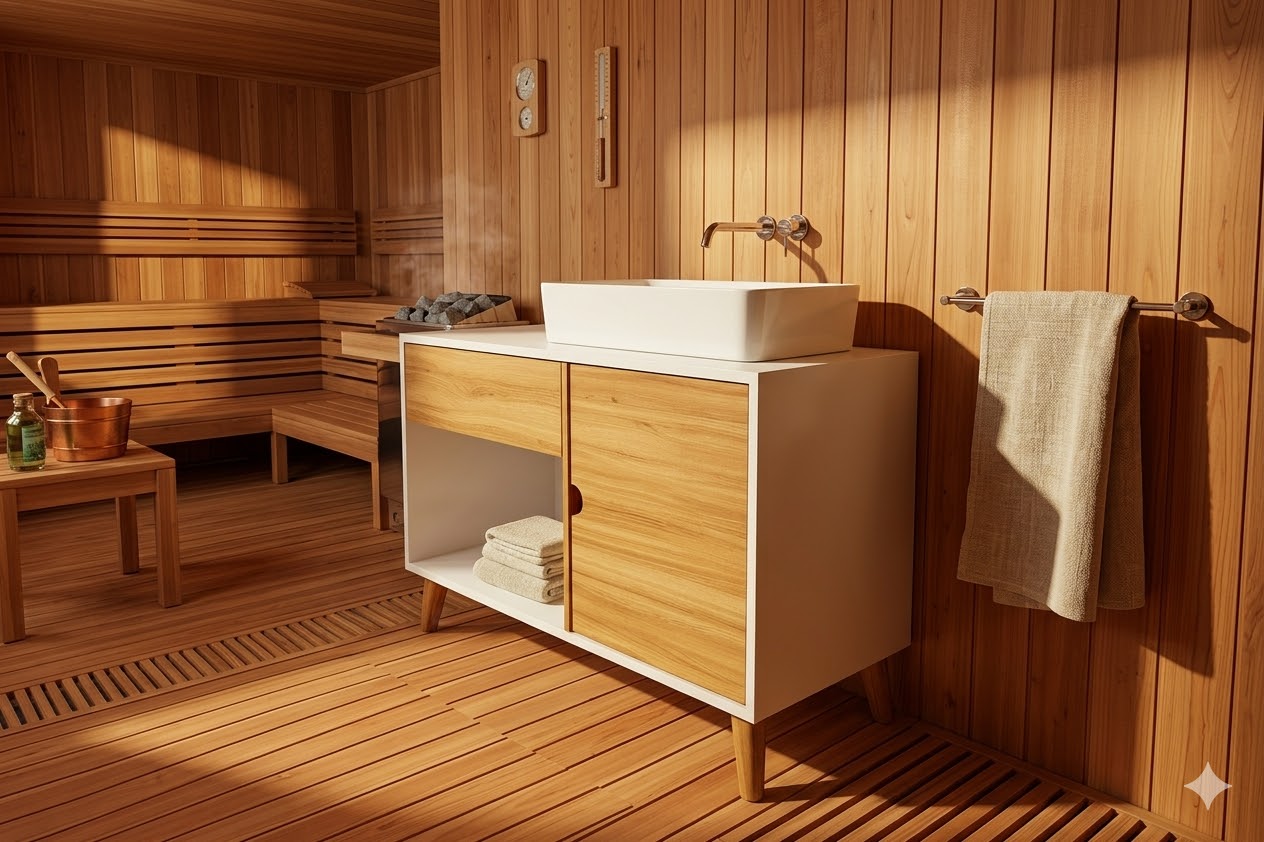
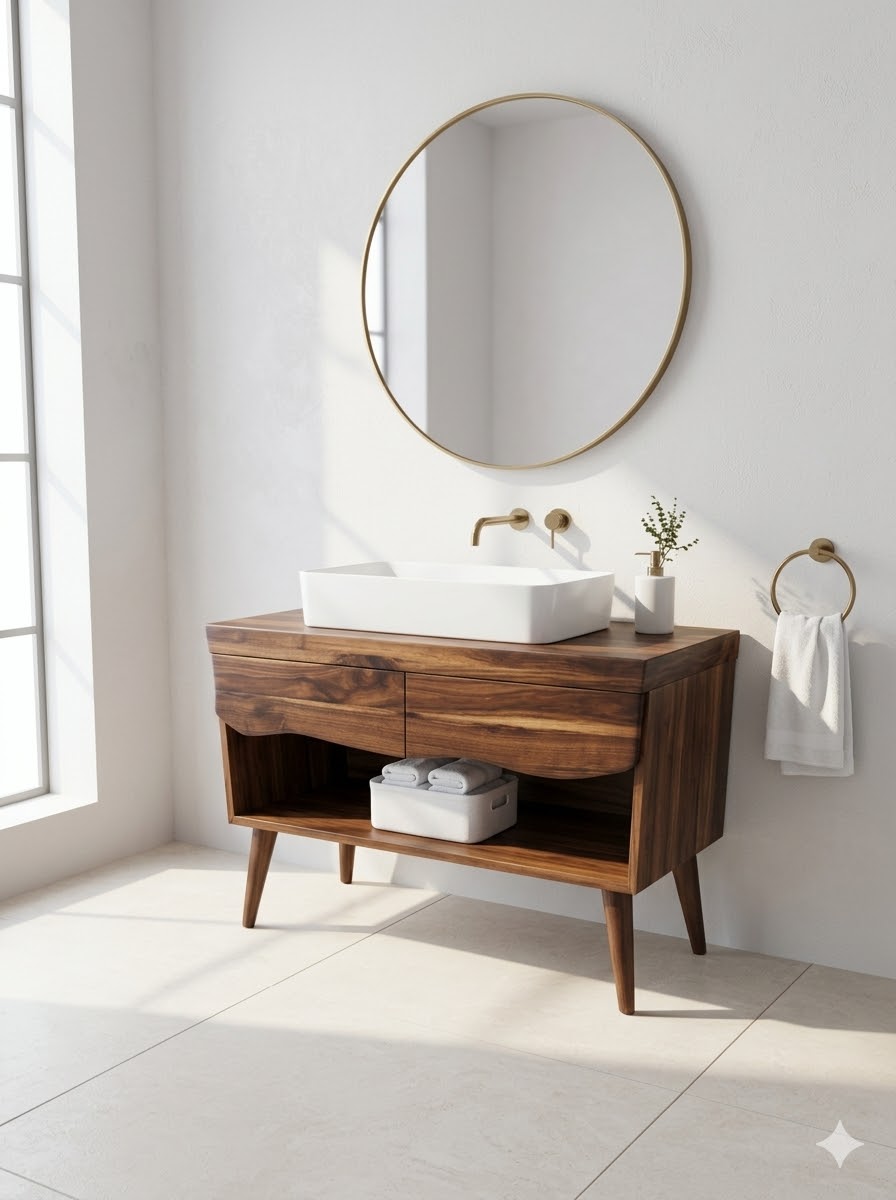
How Solid Wood Furniture is Made and Delivered
STEP-1
You share your dimensions and project details
STEP-2
We sketch and you approve
STEP-3
We prepare a detailed estimate
STEP-4
We build and deliver your furniture
Understanding the Different Custom Furniture Services for Your Living Space
Contact us
Custom Buffets
Architectural storage pieces crafted in solid wood, designed to bring structure, depth, and visual balance to your dining space.
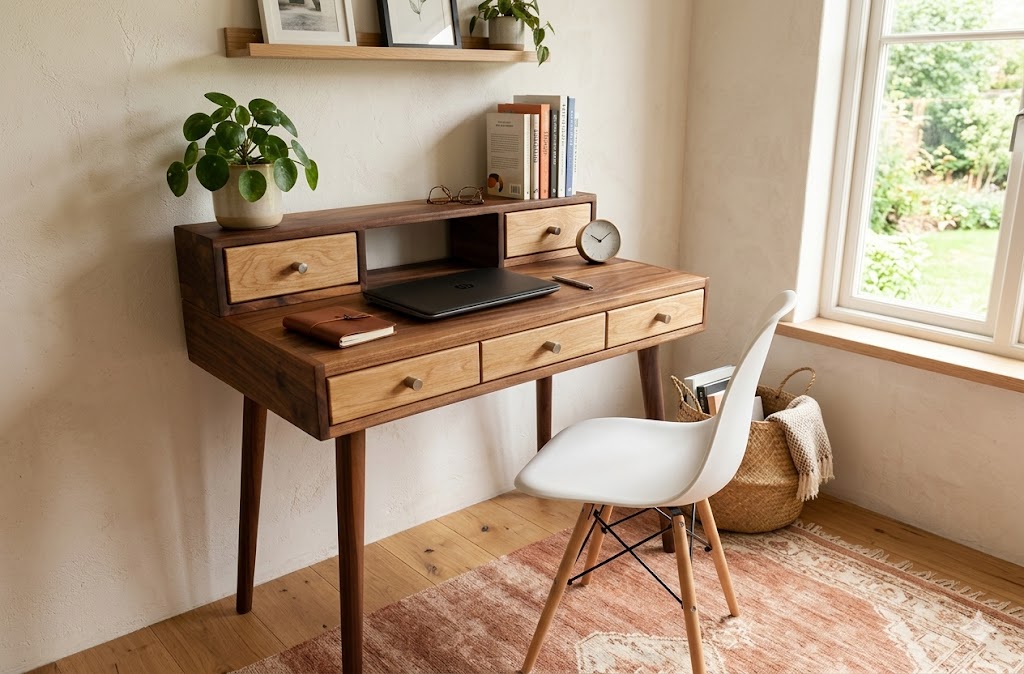
Tailored Home Desks
Refined solid wood workstations proportioned to your room, enhancing comfort, clarity, and long hours of focused work.
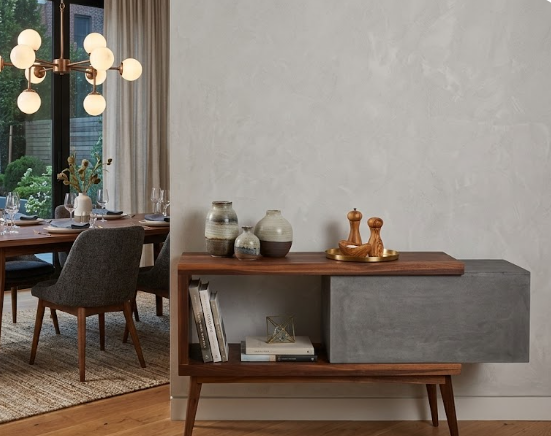
Hallway Console Pieces
Slim, sculptural pieces in solid wood that elevate entrances while keeping daily essentials discreetly organized.
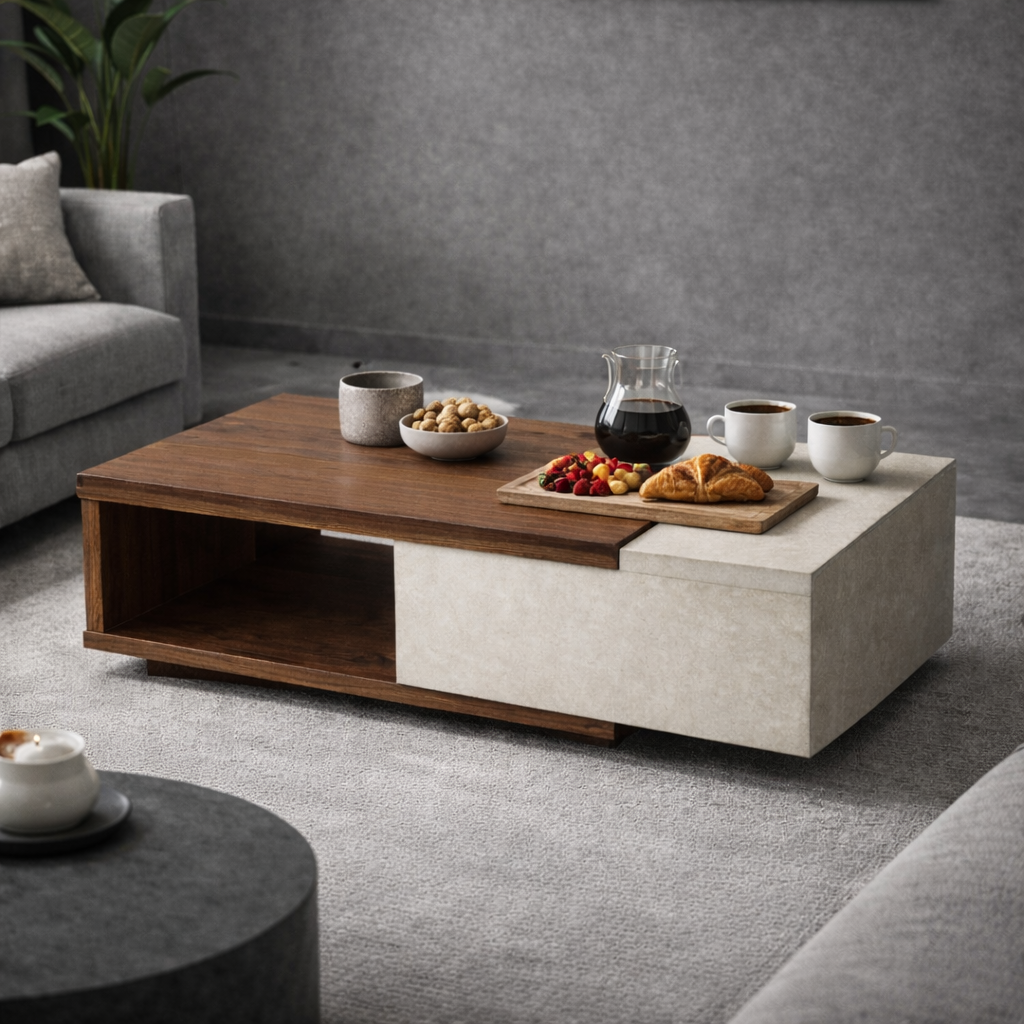
Living Room Coffee Tables
Carefully proportioned centerpieces in solid wood or wood and concrete, designed to anchor conversation and movement naturally.

Flexible Side Tables
Versatile accent pieces that adapt effortlessly to reading corners, lounges, and layered interior compositions.
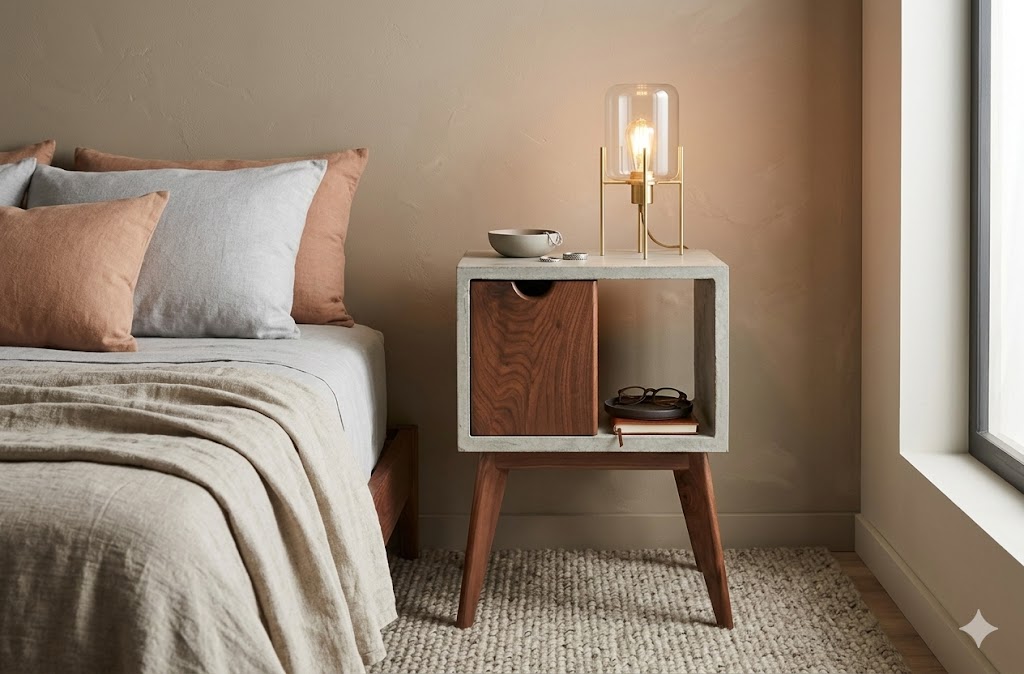
Custom Night Tables
Thoughtfully scaled bedside pieces that integrate seamlessly with lighting, storage, and nightly routines.
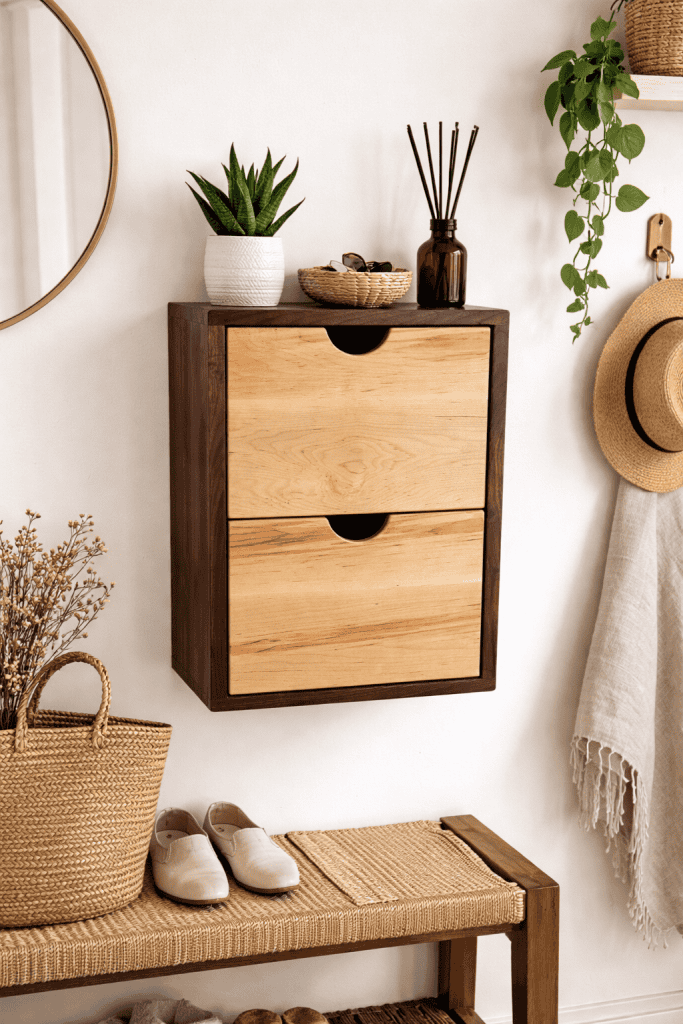
Floating Wall Tables
Minimal wall-mounted designs in solid wood or wood and concrete, creating presence and function without visual heaviness.
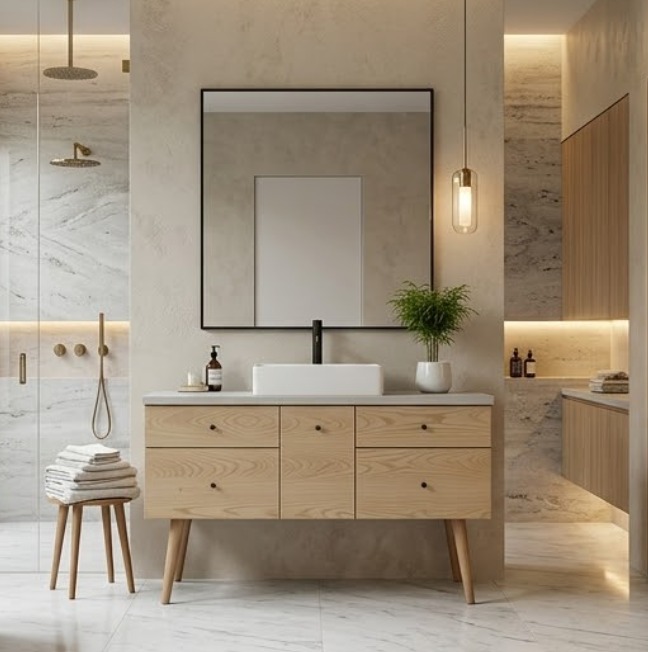
Bathroom Vanities
Minimalist vanity designs in moisture-resistant solid wood, bringing elegance and functional storage to your bathroom sanctuary.
What solid wood furniture brings to your everyday
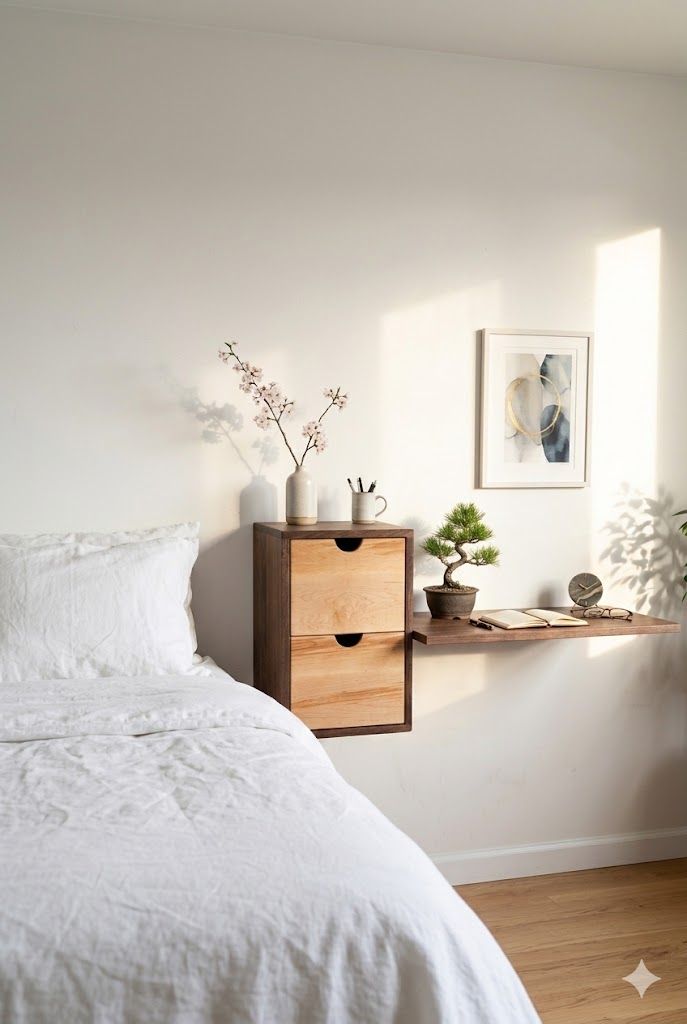
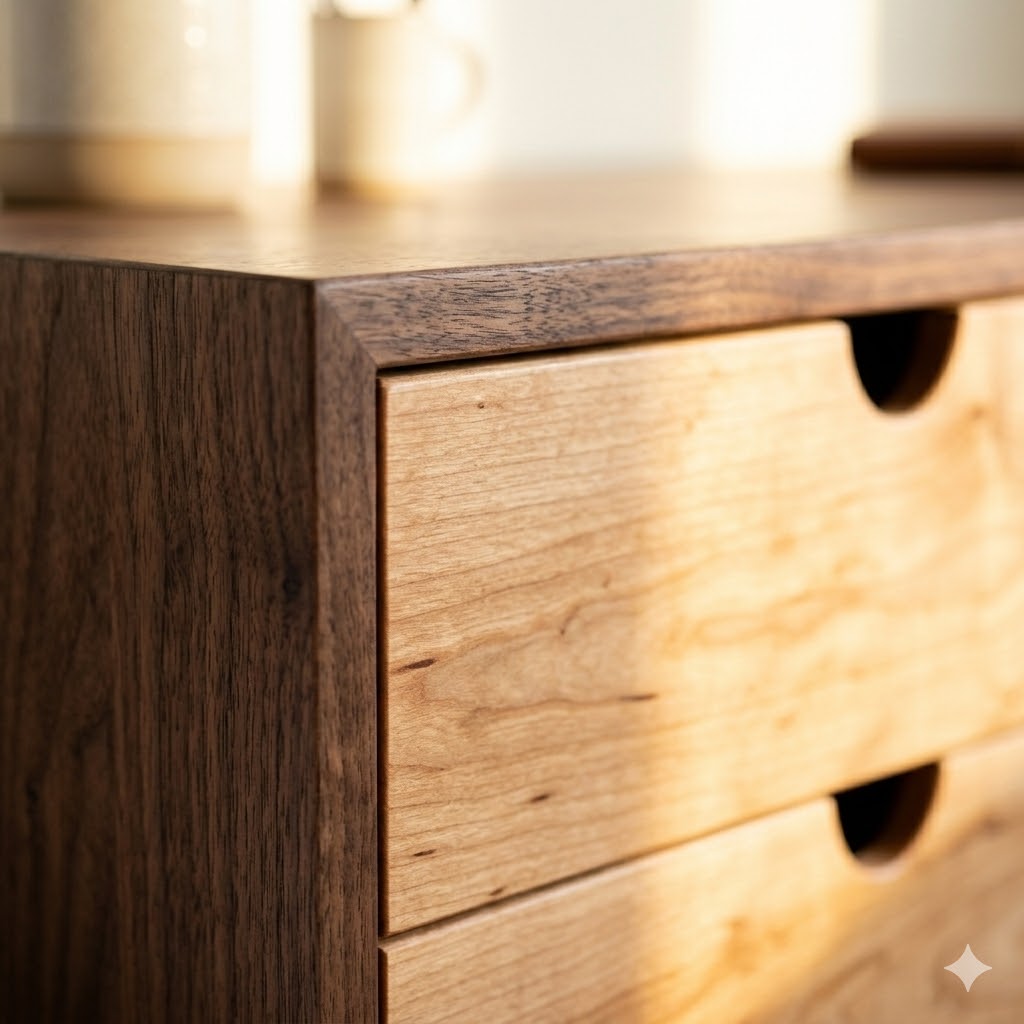
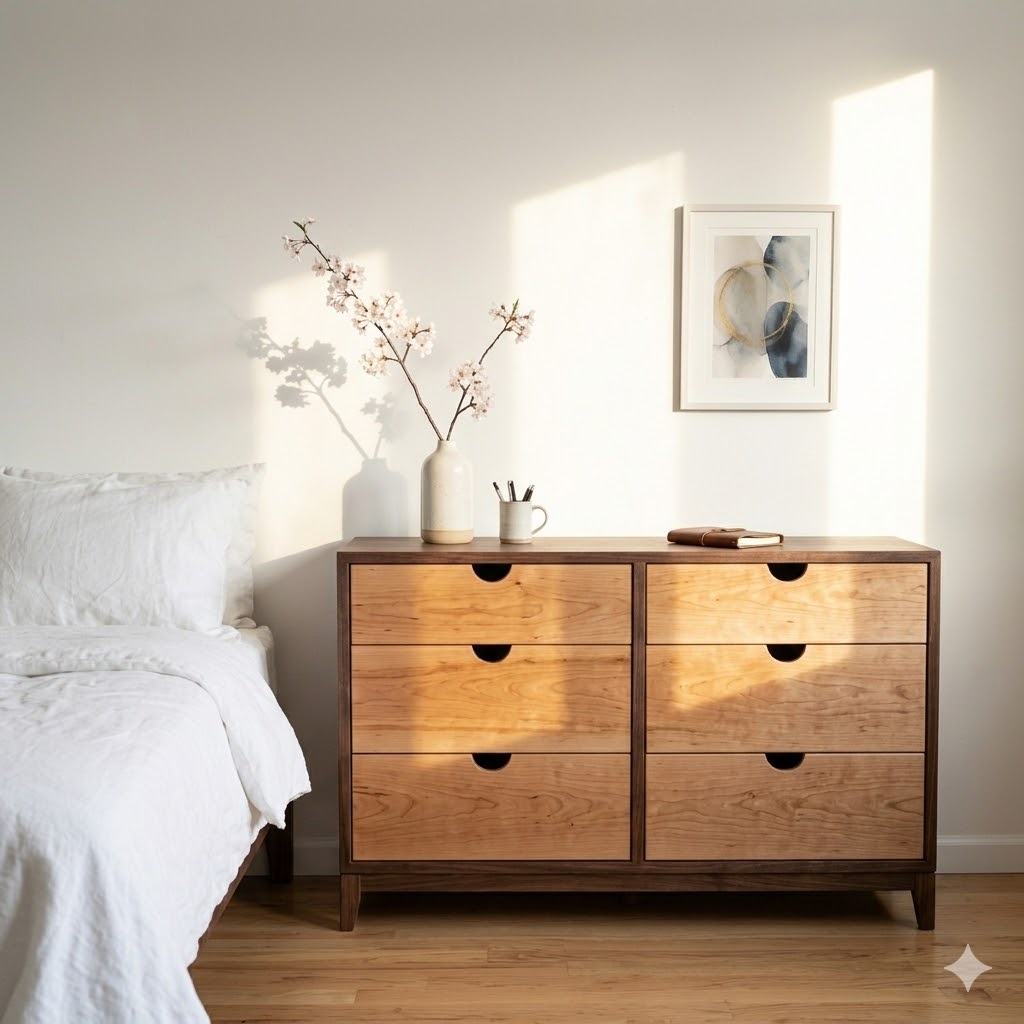
You get furniture built from wood chosen for how it performs in your daily life. Black walnut gives you density and rich grain. Cherry deepens in tone as you live with it. Oak handles impact. Maple delivers precision in fine details.
Every surface, joint and edge you touch holds up over years because the material is consistent all the way through. No veneers, no composite cores, no hidden shortcuts.
You invest in species that hold their structure and appearance through years of daily contact. They do not lose density or degrade with normal use. Your furniture performs because the material was built to perform.
FAQ
Why does solid wood furniture offer better long-term value than veneered furniture?
Structural integrity across the entire piece
Solid wood furniture is manufactured using full-depth hardwood rather than surface-applied veneers over composite cores. This means that strength, density, and resistance are present throughout the entire structure, not limited to a decorative outer layer. In contrast, veneered furniture often relies on MDF or particleboard, which degrades once the surface layer is damaged. Solid wood maintains its mechanical stability even after years of use. This structural continuity directly supports long-term usability.
Reduced degradation from daily use
Daily use exposes furniture to repeated loads, impacts, and environmental changes. Solid wood furniture absorbs these stresses more evenly because it does not depend on glued layers or fragile substrates. Veneered furniture frequently shows early signs of wear such as peeling, swelling, or delamination. Solid wood furniture resists these failures, preserving both function and appearance. This stability limits the need for early replacement.
Long-term maintenance instead of replacement
Solid wood furniture can be repaired, adjusted, or refinished when signs of wear appear. This allows owners to extend the lifespan of the piece rather than discarding it. Over time, this reduces replacement cycles and supports long-term value retention.
How does solid wood furniture handle years of daily use without losing stability?
Joinery adapted to natural wood movement
Solid wood reacts naturally to humidity and temperature variations. Furniture built from solid wood integrates joinery techniques that accommodate expansion and contraction without stress buildup. This prevents cracking, warping, or structural separation. Stability is designed into the construction rather than relying on rigid bonding.
Load distribution and mechanical resistance
Solid wood furniture distributes weight through dense, continuous material. This reduces localized stress points that often cause wobbling or deformation in composite furniture. Repeated daily use does not compromise balance or alignment. The furniture remains structurally consistent over time.
Finishing systems that preserve durability
Protective finishes are applied to shield the wood from moisture and surface wear while allowing controlled exchange with the environment. This balance protects stability without sealing the wood unnaturally. As a result, performance remains predictable across years of use.
What makes solid wood furniture repairable instead of disposable?
Full material depth allows restoration
Because solid wood furniture is built from a single material rather than layered components, damage does not expose inferior substrates. Surfaces can be sanded, repaired, and refinished multiple times. This makes restoration technically feasible without compromising structure. Furniture remains functional rather than disposable.
Joinery designed for intervention
Traditional assembly methods allow components to be adjusted or repaired individually. This avoids the need to replace entire pieces due to localized damage. Unlike glued composites, solid wood structures support corrective intervention.
Compatibility with long-term maintenance
Solid wood furniture supports routine maintenance rather than forced replacement. Minor repairs extend usability and preserve original dimensions. This approach reduces waste and long-term cost.
How is solid wood furniture adapted to exact room dimensions and workflows?
Design based on real spatial constraints
Solid wood furniture is designed using precise measurements of the space it will occupy. This ensures compatibility with circulation paths, storage needs, and functional usage. Standard dimensions are not imposed on unique environments. Furniture integrates naturally into the space.
Functional priorities defined before fabrication
Usage patterns, load requirements, and daily workflows are considered during design. This avoids inefficiencies caused by generic sizing or inappropriate proportions. Solid wood construction allows flexibility without compromising strength.
Validation before fabrication
Dimensions, layouts, and constraints are reviewed before manufacturing begins. This reduces uncertainty and ensures the final piece matches the intended use precisely.
Which solid wood species are best suited for long-lasting furniture?
Mechanical properties of hardwood species
Hardwoods such as black walnut, oak, maple, and cherry are selected for their density and resistance to wear. Black walnut remains one of our primary materials, valued for its strength, stability, and rich natural character. We can also source and work with a wide variety of solid wood species to match specific design, durability, or aesthetic requirements. These woods tolerate repeated stress without deformation, and their internal structure supports long-term stability under daily use.
Predictable aging behavior
Quality hardwoods age gradually and consistently. Color evolution and surface patina occur naturally without sudden degradation. This preserves visual coherence over time while enhancing the natural beauty of species such as black walnut.
Repair and refinishing compatibility
These species tolerate refinishing and surface correction. Furniture remains adaptable rather than disposable as conditions evolve, allowing solid wood pieces to be maintained and restored over decades of use.
How do I know if investing in solid wood furniture is really worth it for my home?
At first, the price difference with other options can be unsettling. It is normal to wonder if solid wood furniture will really change your daily life or if you are only paying for a label.
The key is to look at lifespan, stability and repairability. A well made piece in solid wood can be refinished, adjusted and kept for decades, while cheaper materials tend to deform, chip and end up replaced. Over ten or twenty years, the real cost per year becomes much lower.
You move from repeated purchases to one reliable investment that supports your lifestyle. You secure lasting value for your interior by starting a custom project instead of buying again and again.
Contact Us
Phone
514-707-1901